




1. It shortens the sales cycle
In business to business (B2B) and professional services, deals take time. A lot of that time is just trust being built. Your prospect needs to believe you can do what you say before they will sign anything, and that belief usually forms slowly, over calls and meetings and waiting.
Photography speeds it up. When someone can see your team, your premises, the actual work you do, a lot of that trust forms before you have even spoken. They turn up to the first call already half-convinced, because they have seen you are real and you are good.
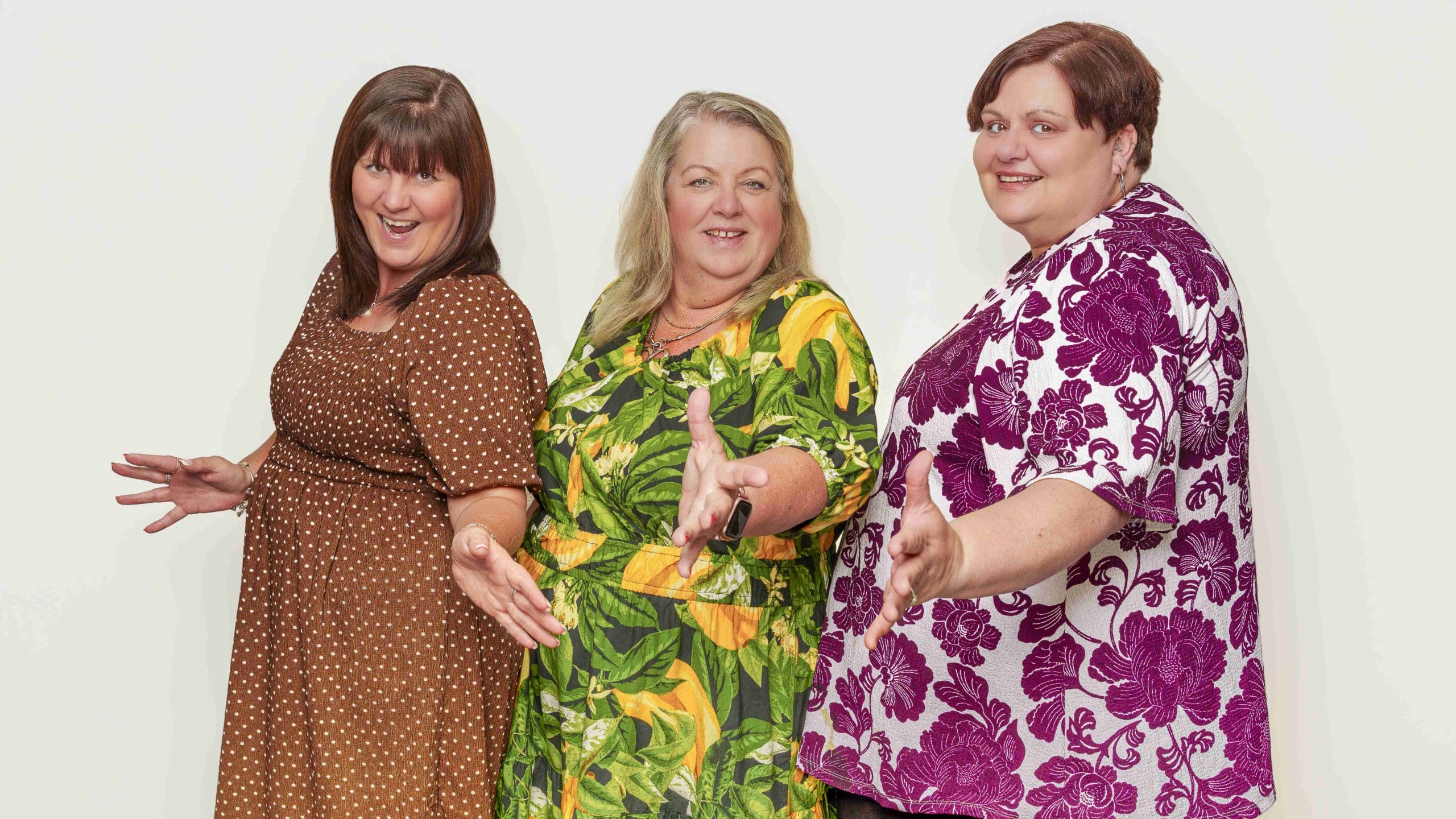
One example I can give you is Anglia Translations, I helped capture the team showing there professional and personal side with a unique magic mirror style headshot session.

2. It lets you charge what you are worth
There is a direct link between how a business looks and what it can charge. Turn up with generic stock images and inconsistent snaps, and you quietly tell people you are a commodity, interchangeable with the cheaper option down the road. Show up with photography made specifically for you, and you look like the specialist you actually are.
Stock can never show what makes you different. It cannot show your machinery, your craftsmanship, the particular way your team works. Bespoke photography can, and when a client sees that, they stop shopping on price.

3. It wins you the right people
The return is not just about clients. It is about recruitment too, and in fields where good people are hard to find, that matters enormously.
When someone is deciding whether to work for you, they want to picture themselves there. Authentic photography of your actual team and your actual space does that in a way a job advert never will. It pulls in people who fit your culture, because they can see your culture before they apply. That means better hires who stay longer, and far less money handed to recruitment agencies.


4. Simplified Image Licencing
When you use stock photography, you are renting an identity that thousands of other businesses are renting too. The same images turn up on competitor websites, in adverts, anywhere. You build nothing that is distinctly yours.
Bespoke photography is the opposite. The images are made specifically for your business, and you are licensed to use them across everything: your website, your social media, your brochures, your tender documents, your signage. Because they are unique to you, they do not date the way generic stock trends do, and no competitor can use the same shot. One good session keeps giving you content for years, which is exactly why the cost works out far lower than it first looks.
This is also why I shoot for range, not just for the one hero image. A proper session is built to keep giving you content long after the day itself.
Exactly what you can do with the images comes down to the licence, and that is worth understanding properly. I cover how commercial image licensing actually works, and why it protects you as much as it protects me, in my separate guide on licensing.

5. It builds confidence with investors and partners
If you are raising money, talking to a bank, or heading into a merger or partnership, how the business looks on paper matters more than people admit. Investors and partners are reading for signs of stability, scale, and a business that is run properly. Strong photography quietly does that job for you.
Real images of your premises, your operation, your finished projects act as proof. They show a serious, capable business rather than a set of claims. In a room where a funding decision is being made, the quality of what is on the screen can tip it.

6. It keeps your marketing fed
Marketing eats content. LinkedIn, newsletters, brochures, trade stands, the website, all of it constantly wants fresh, consistent images. One good storytelling session gives a marketing team a whole library to pull from, instead of scrambling for a smartphone photo every time something needs posting.
That consistency is what keeps a brand looking authoritative across every place a customer meets it. And it saves real hours. Your people stop hunting for “the right image” and get on with actual work, while the brand never once looks amateur.
It is also worth saying plainly: photography ages. Teams change, premises change, you grow. I usually suggest a refresh every 12 to 18 months so your images keep up with the business they are meant to represent. A smartphone can fill a gap, but it cannot give you the consistency, the detail or the colour control that makes a brand look properly put together.
Summary: the financial logic
Storytelling photography is not an indulgence. It is a tool that drives revenue, protects your margins, and builds something you own. In the UK it is a legitimate marketing expense, which means it can also reduce your taxable profit while it builds a stronger brand. (Worth a quick word with your accountant on the specifics, I photograph businesses, I do not do their tax.)
Move away from disposable, rented visuals and invest in images made for you, and your real-world quality finally shows up in how the business looks. That is the whole point.


